

Last Updated on April 22, 2026 by allieddispatch | Published: April 22, 2026
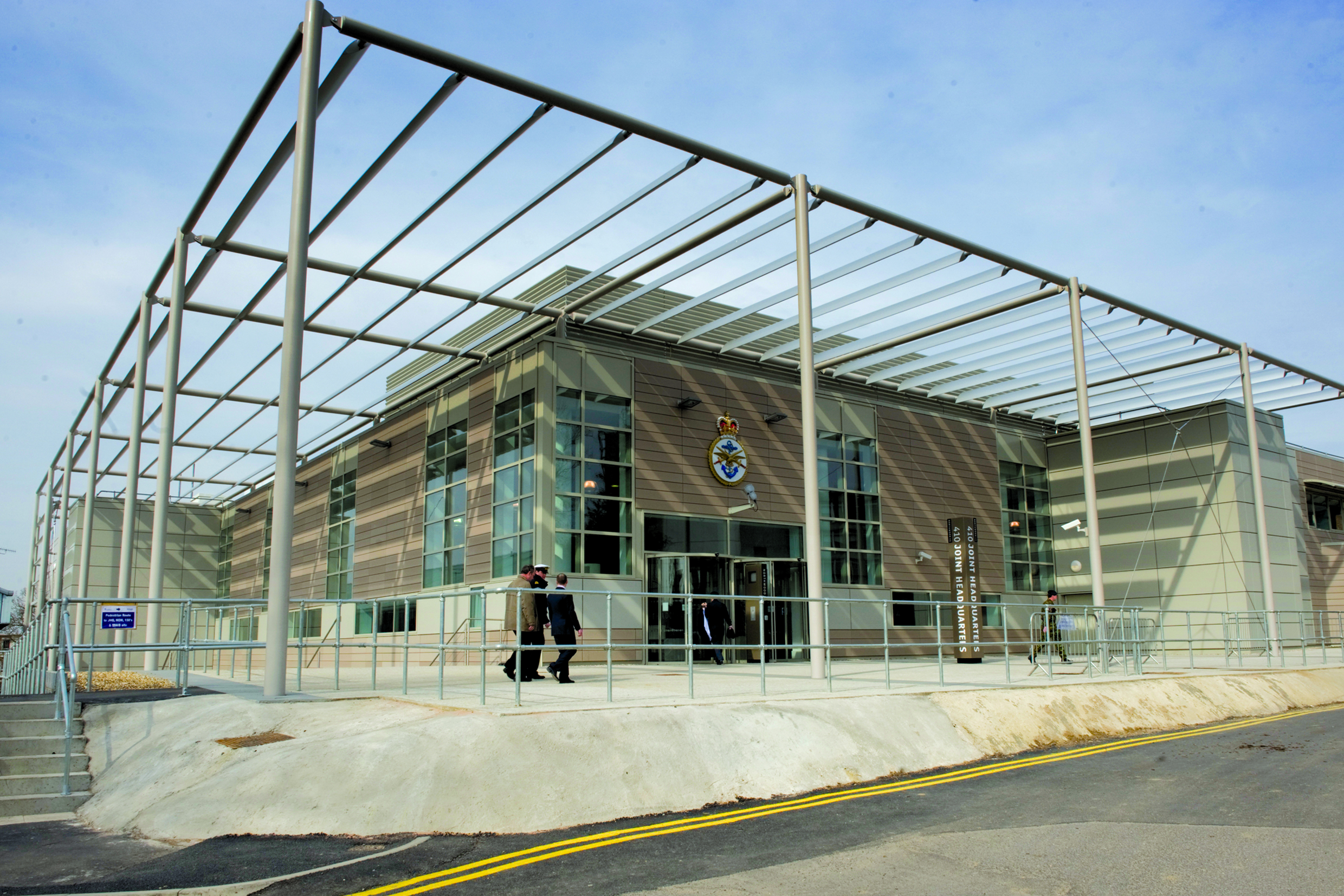
While the eyes of the world are on the Strait of Hormuz and current ongoings military planners from over 30 nations are today gathering for a two day conference at the UK’s Permanent Joint Headquarters (PJHQ) in Northwood on how to safely reopen the Strait of Hormuz.
Following the diplomatic momentum of last week’s Paris Summit, co-hosted by Prime Minister Keir Starmer and President Emmanuel Macron, the focus has shifted from high-level politics to raw operational “teeth.” With the Strait heavily disrupted since early March, the global economy is waiting for a clear signal that the world’s most vital energy artery can be fully protected.Especially as even events in the last few hours has seen vessels attacked.
The Northwood Mandate: Translating Diplomacy into Action
The choice of Northwood as the venue for this two-day conference is a statement of intent. As the heart of the UK’s overseas joint operations, it is the place where “plans become missions.”
Ahead of the conference UK Defence Secretary John Healey said:
“Today’s multinational planning conference matters. The task, today and tomorrow, is to translate the diplomatic consensus into a joint plan to safeguard freedom of navigation in the Strait and support a lasting ceasefire. I am confident that, over the next two days, real progress can be made.
International trade, energy security and the stability of the global economy depend on freedom of navigation. By building on our common purpose, strengthening multinational coordination and planning for effective collective action, we can help reopen the Strait, stabilise the global economy and protect our people.
On behalf of people in Britain and internationally whose security and prosperity depend on their success, we are grateful to the planners for their urgency and expertise. We look forward to the outcome of this work.“
The High-Wire Act: An “Independent” Force
The timing of this conference is critical. Yesterday, US President Donald Trump extended a fragile ceasefire with Iran, but the Strait remains a “no-go” zone for most commercial operators. Vessel traffic has collapsed by nearly 88% in the last six weeks.
The UK-France-led coalition is aiming for an “independent and strictly defensive” mission. By keeping it separate from the more aggressive US “maximum pressure” posture, the planners hope to create a “Maritime Police Force” that Iran can tolerate while providing the security insurance that commercial shipping companies desperately need.
What do you think?
Can a 30-nation coalition actually coordinate in a narrow chokepoint without sparking a “blue-on-blue” incident?
- Is the UK-France “Lead Nation” model the best way to bypass the US-Iran deadlock?
- With the ceasefire in place, should the coalition focus purely on mine clearance or go straight to armed escorts?
Join the debate in the comments.