

Last Updated on April 2, 2026 by allieddispatch | Published: March 22, 2026
By Allied Dispatch UK
AIR POWER | Technical Analysis
As the security situation in the Middle East remains at a knife-edge, the Royal Air Force has pulled back the curtain on one of its most critical, yet least visible, capabilities: Air Battlespace Management (ABM).
In an environment now described as “busier and more complex than at any point in recent years,” the RAF isn’t just flying missions; it is conducting a high-stakes digital symphony to ensure that friendly aircraft, drones, and missiles don’t collide—and that threats are neutralised before they reach their targets.
The Complexity of the Modern ‘Air Picture’
Air Battlespace Management is the system that coordinates every airborne activity within a theatre of operations. According to Group Captain Lisa Foy, Commander of the Air C2 Force, the goal is simple, but the execution is immense:
“Effective battlespace management keeps our people safe and our missions on track. When the air picture is coordinated and predictable, every aircraft can carry out its task with confidence.”
The challenge today is the sheer variety of “traffic.” A single sector of airspace might simultaneously contain:
- RAF Typhoon FGR4s on combat air patrol.
- A400M Atlas transport aircraft on “Intra-Theatre” logistics runs.
- Voyager tankers orbiting for air-to-air refuelling.
- Remotely Piloted Systems (UAS) monitoring ground movements.
- Coalition partners from the US, France, and regional allies.
ABMs vs. Air Traffic Control: What’s the Difference?
The RAF clarifies a common misconception: Air Traffic Controllers and Air Battlespace Managers (ABMs) perform complementary but very different roles.
- Air Traffic Controllers: Their primary mission is safety and separation—keeping aircraft apart to prevent accidents. They are currently deployed at key regional hubs, including Qatar, to assist partners in keeping sovereign airspace open.
- Air Battlespace Managers (ABMs): Their job is tactical. They often bring aircraft closer together for mission-critical tasks like interceptions or refuelling. They “call the air picture” to fast-jet pilots, vectoring them toward potential threats and ensuring the battlespace remains deconflicted during a fight.
Allied Dispatch UK Viewpoint: The C2 Advantage
At Allied Dispatch UK, we view Air Battlespace Management as the ultimate force multiplier. In the recent defence of Jordan and the shadowing of “shadow fleet” tankers, the common denominator was data.
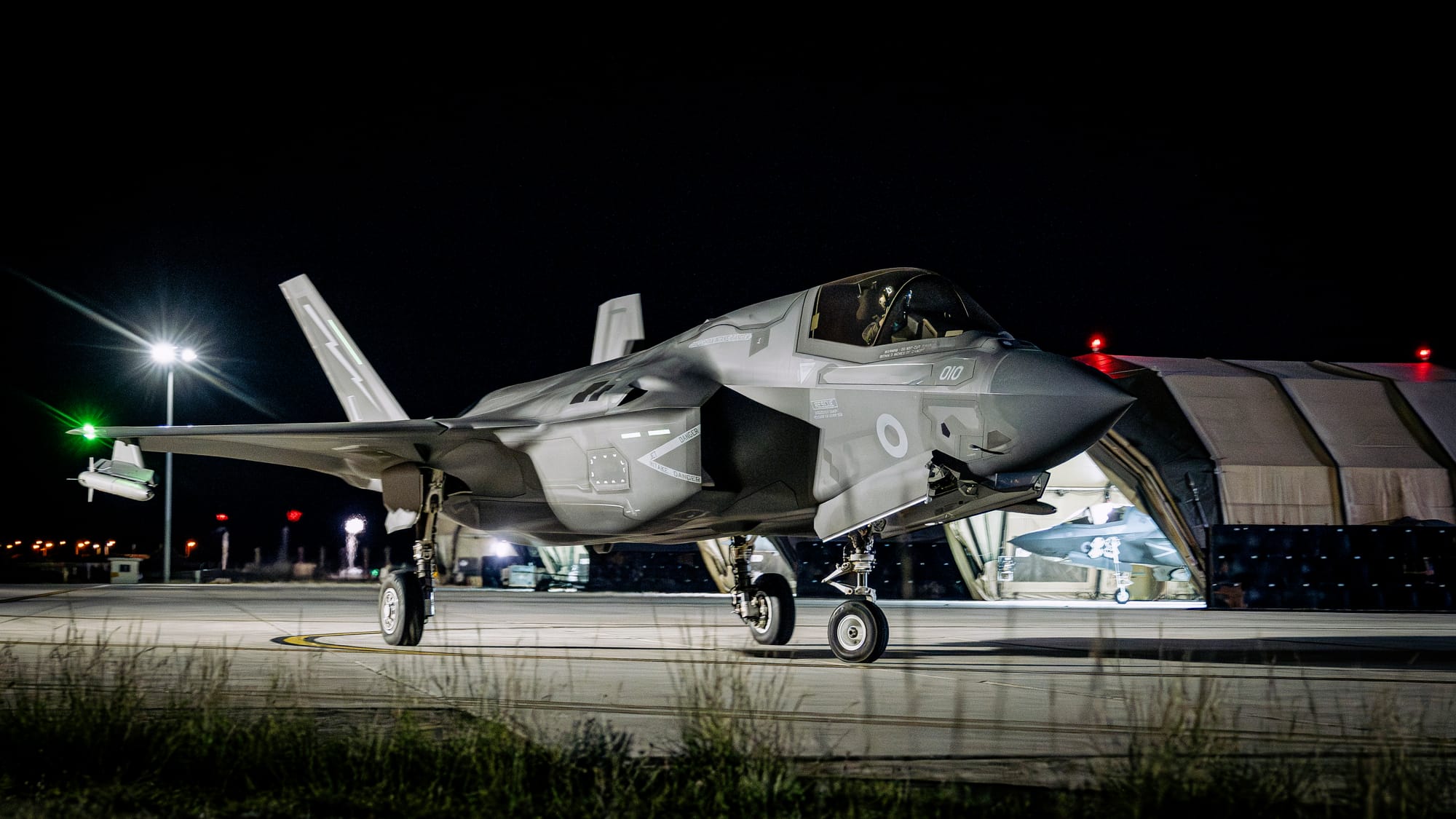
Without a robust Command and Control (C2) structure, the UK’s high-tech assets—like the F-35B or the Typhoon operate in a vacuum. By integrating with coalition partners, the RAF ensures that the UK is not just a participant in Middle Eastern security but a primary architect of it. As the threat from long-range missiles and “dark” UAS grows, the ability to manage the skies will be what separates a successful defence from a catastrophic failure.